Perspectives · Oct 8, 2026 · 4 min read
casepal in Frankfurt: Perspectives on the Future of Legal Operations
Legal operations are key to the transformation of legal and compliance. That was the thesis we brought to Frankfurt, and the week only made it stronger.
Legal operations are key to the transformation of legal and compliance. That was the thesis we brought to Frankfurt, and the week only made it stronger.
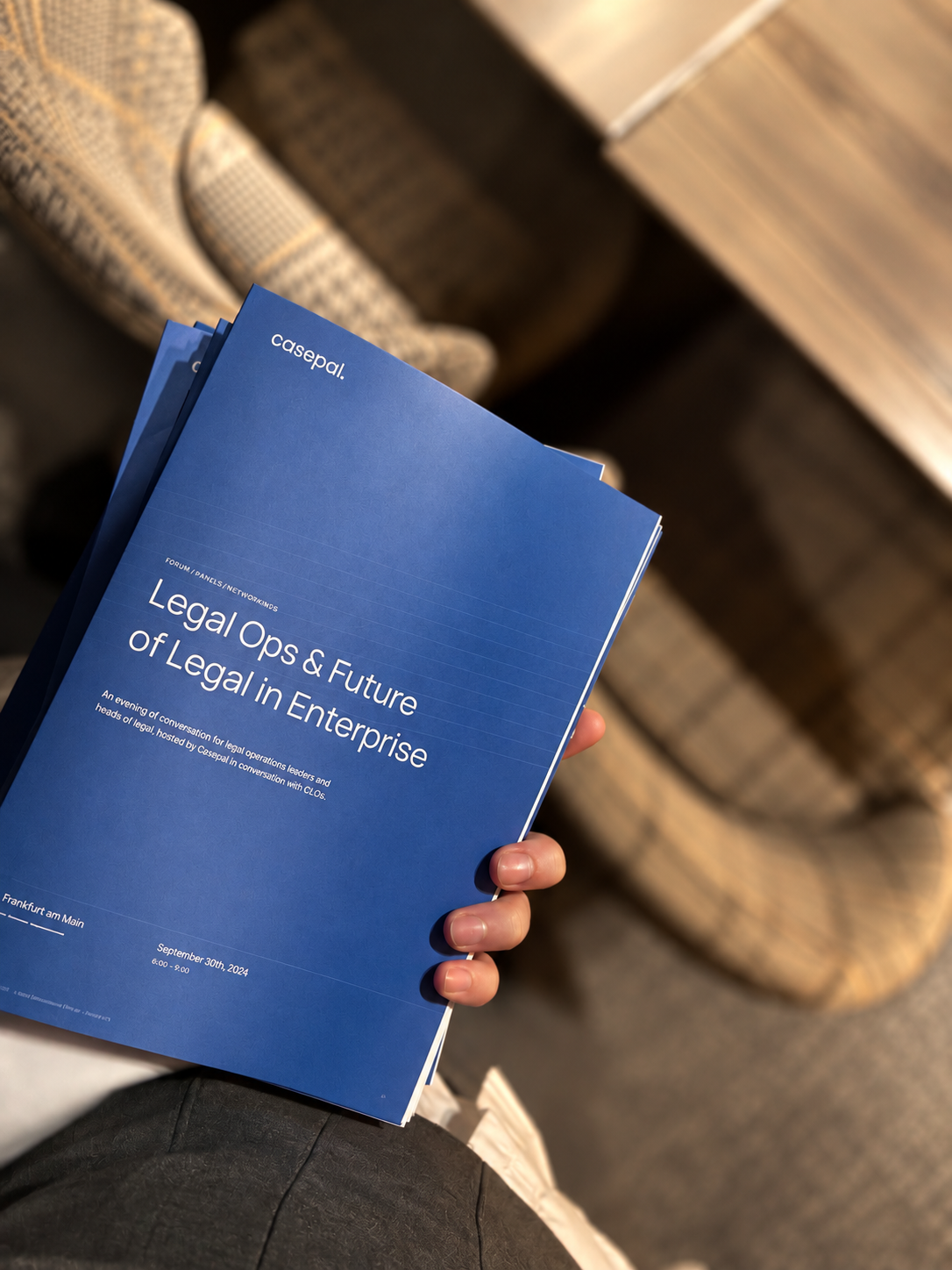
The casepal team spent two days at Future Lawyer Europe, organized by cosmonauts, including the in-house day program "What Does Legal Ops Really Need?" run by CLOC (Corporate Legal Operations Consortium) Germany. We hosted a dinner the night before, I joined the opening panel on the future of legal ops, and we spent the rest of the time in conversations with legal ops leaders, in-house counsel, legal engineers and consultants from across Europe.
Here is what we said, what we heard, and why it matters for where legal is going.
The dinner: starting with conversation
Before the event began, we hosted a dinner with a select group of guests from legal ops, in-house legal and consulting. The goal was simple: give people time to talk outside the format of keynotes and short coffee breaks.
It set the tone for the whole event. Many guests later called it the perfect start, and the informal setting made the next two days feel less like a conference and more like an ongoing conversation. That is exactly what we hoped for.

The panel: what legal ops really needs
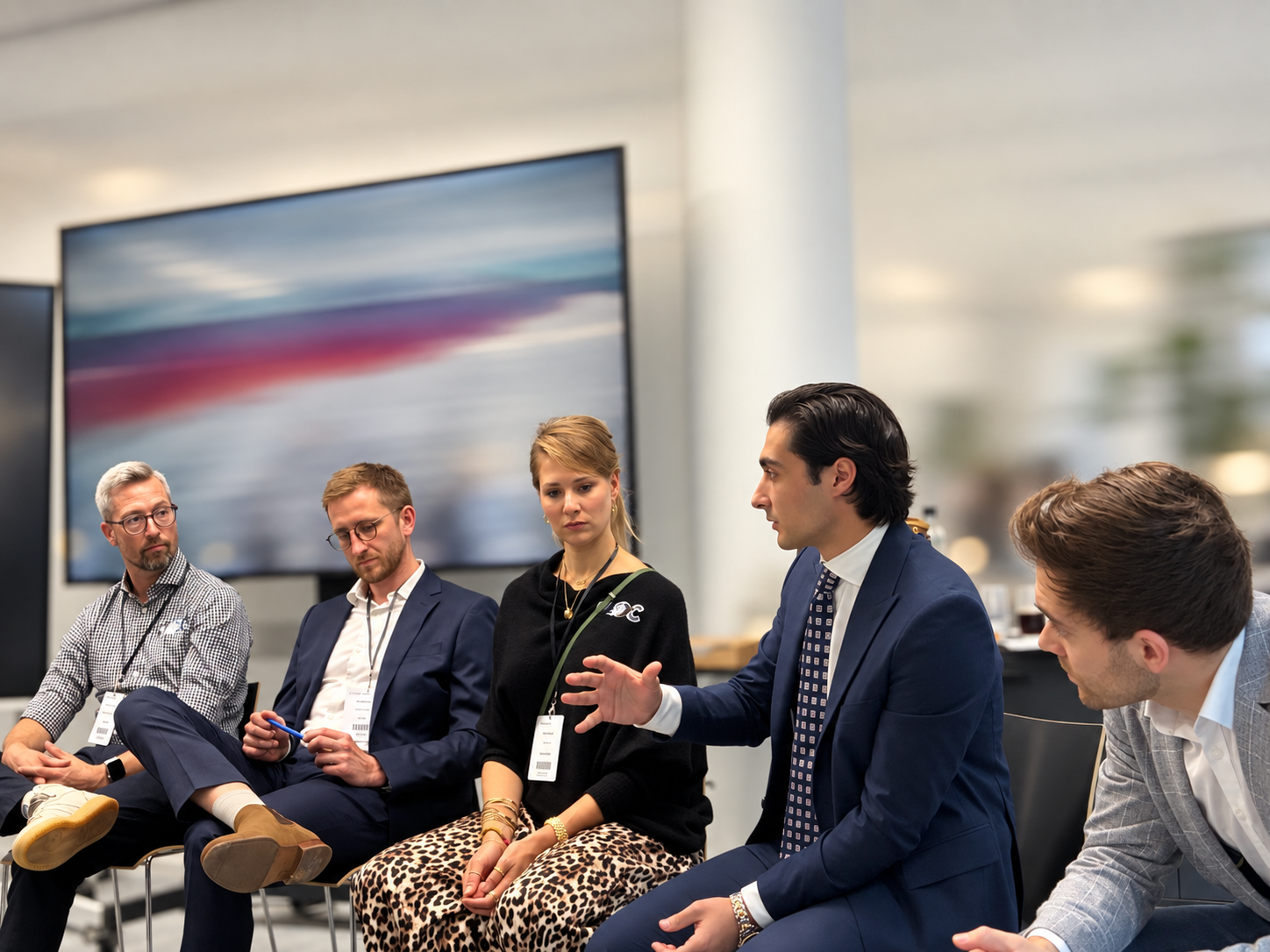
I joined the opening panel of the CLOC program together with Dr. Vera Roedel, Michael Thompson, Tim-Julien Richter and Quentin Peltier. The panel was titled "Perspectives on the Evolving Legal Operations Landscape," and the question on the table was: what role will legal operations play as AI reshapes legal and compliance work?
Our answer is that legal ops is about to become one of the most important functions in the enterprise. Four ideas explain why.
1. Governance cannot be outsourced
As AI, and more specifically agents, move into legal and compliance work, the governance layer becomes the foundation everything else runs on. Someone has to define how the organization is governed: which rules apply, how decisions are made, what gets escalated and to whom.
You cannot as effectively have an external company build those schemas. They depend on how your organization functions, and that knowledge lives inside it. A technology partner can provide the infrastructure. The context has to come from within.
2. Legal ops owns the dual context
That is why legal ops becomes central. The function needs people with dual context: they understand how the technology works and how the enterprise or legal department works.
This profile is rare, and it is specific to each operation. These are the people who can take the organization's context, translate it for a technology or strategic partner, and build together with them. We expect this to become a department-level position, not a side responsibility.
3. Talent is moving in both directions
We are already seeing lawyers, even in law school, become more technical. They want to understand how models work and what engineering looks like at a foundational level. That understanding makes a real difference for anyone building a career in legal operations.
The movement also runs the other way. People with technical backgrounds are getting more familiar with legal concepts, because legal has become a far more attractive field than it used to be.
Legal technology is at a peak in investment, in talent, and in general focus. But the reason is not only capital. The technology is genuinely effective for legal work, and that effectiveness is what pulls investment and talent in, not the other way around.
What we heard in the room
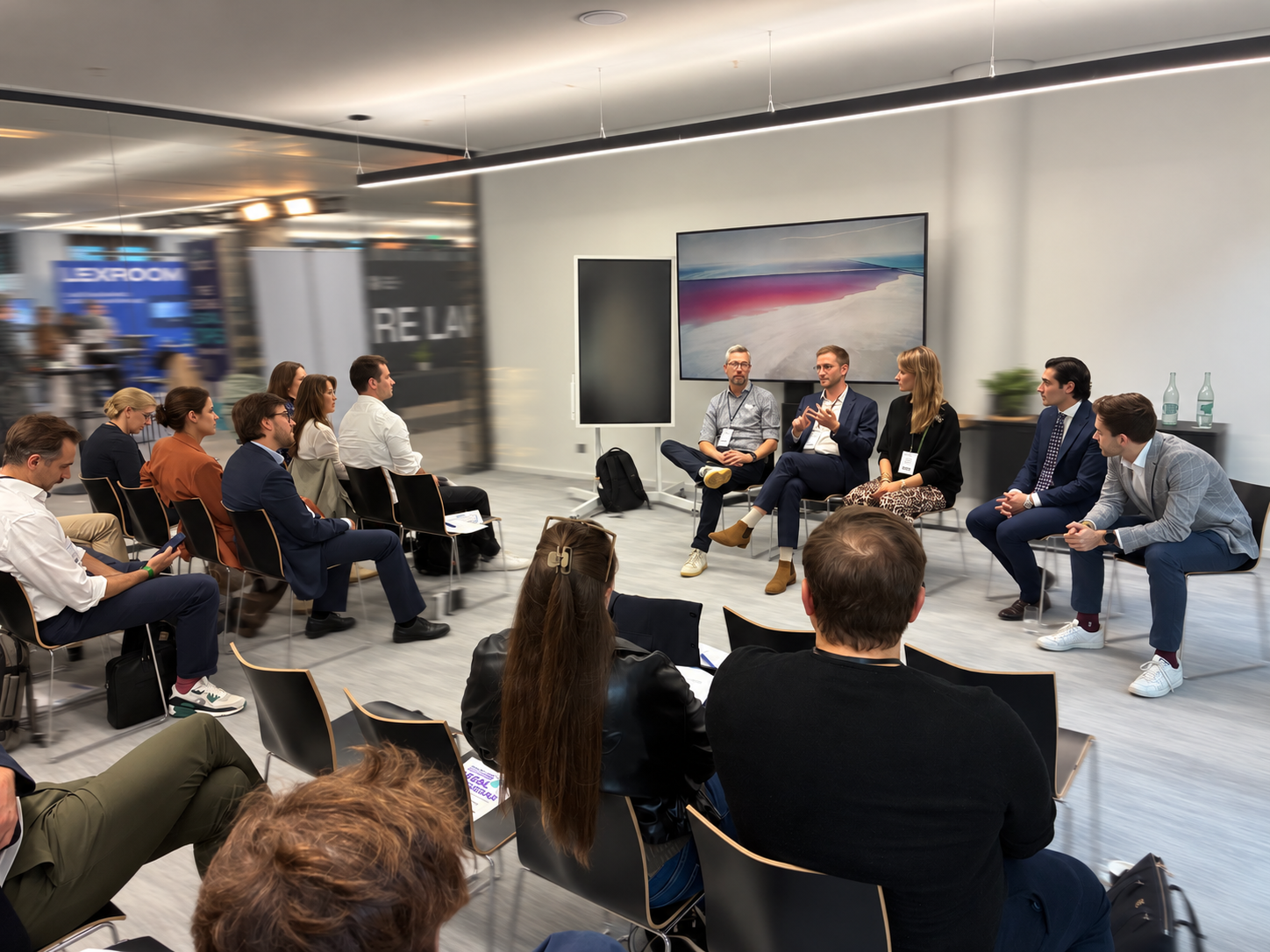
The session drew a packed room, and the questions afterward were the most telling part. Most colleagues are not asking whether to adopt domain-specific AI anymore. They are asking how to govern it, who should own it, and how to build it into the way their department actually works.
A few other moments stayed with us:
Beyond the hype. Min-Young Leclaire framed the question many teams are grappling with: beyond the hype, what are we actually doing with AI?
Don't forget the basics. Quentin Peltier reminded everyone not to forget the basics when it comes to legal ops.
No finish line. As Tim-Julien Richter put it, legal ops is not a destination. It is a continuous process of improvement and adaptation.
All three point in the same direction. The organizations that win will not be the ones that buy the most tools. They will be the ones with people who understand both the technology and the operation, and who keep refining how the two fit together.
Why this matters for casepal
This is the problem we are building for. casepal is agentic legal governance, risk and compliance infrastructure for enterprises. We provide the technology layer, and we build it together with the legal ops and compliance teams who hold the context of how their organization should be governed.
Frankfurt confirmed that those teams are ready for that partnership.
Written by Kriton Papastergiou
Back to all posts