.png)
Expertise first: What ATTYS learned about bringing AI into legal practice

About
ATTYS is a dynamic Austrian law firm based in Vienna, operating at the intersection of clarity and creativity. The firm offers legal advice across employment, corporate, real estate, and intellectual property law, serving clients across Austria and the DACH region.
Industry
Legal Services
Location
Vienna, Austria
Founded
2024
Website
www.attys.law
Practice areas
Employment · Real Estate · Corporate & Commercial · Intellectual Property
Partners
Dr. Christoph Ludvik · Mag. Martin Zikeli · Mag. Saskia Leopold
Across the legal industry, the question has shifted. It is no longer whether to adopt AI. It is how to do it in a way that actually sticks — that changes how work gets done, not just what tools appear on the firm's technology list.
ATTYS has been working with casepal across its practice for over a year. What the team has learned in that time is not only about casepal, but about what genuine adoption demands from the people using it.
Two things stand out.
Start narrow
The instinct when a promising tool arrives is to apply it everywhere at once. The ATTYS team found the opposite more effective. Pick the tasks that are most repetitive, most time-consuming, and most clearly bounded — the ones where good output is recognisable immediately — and start there.
For ATTYS, that meant client emails, document summaries, and regulatory analysis before moving into more complex territory like court filings and appeal statements. Each small win sharpened the team's sense of what the tool could and couldn't do, and made the next application easier to approach.

"Don't try to implement AI across all workflows at once. Start with time-intensive, repetitive tasks — the ones that can enhance your daily routines and make them quicker. Then go forward from there."
— Patricia Stiller, Associate at ATTYS
Going gradually also builds something less tangible but equally important: the ability to judge the output. Teams that adopt too broadly, too fast, often don't develop the discernment to know when the platform has got it right — and when it hasn't.
The quality of input defines the quality of output
This is the part of the AI conversation that tends to get lost. The quality of what casepal produces is not just a function of the model. It depends entirely on whether the person prompting it knows what a good result looks like.
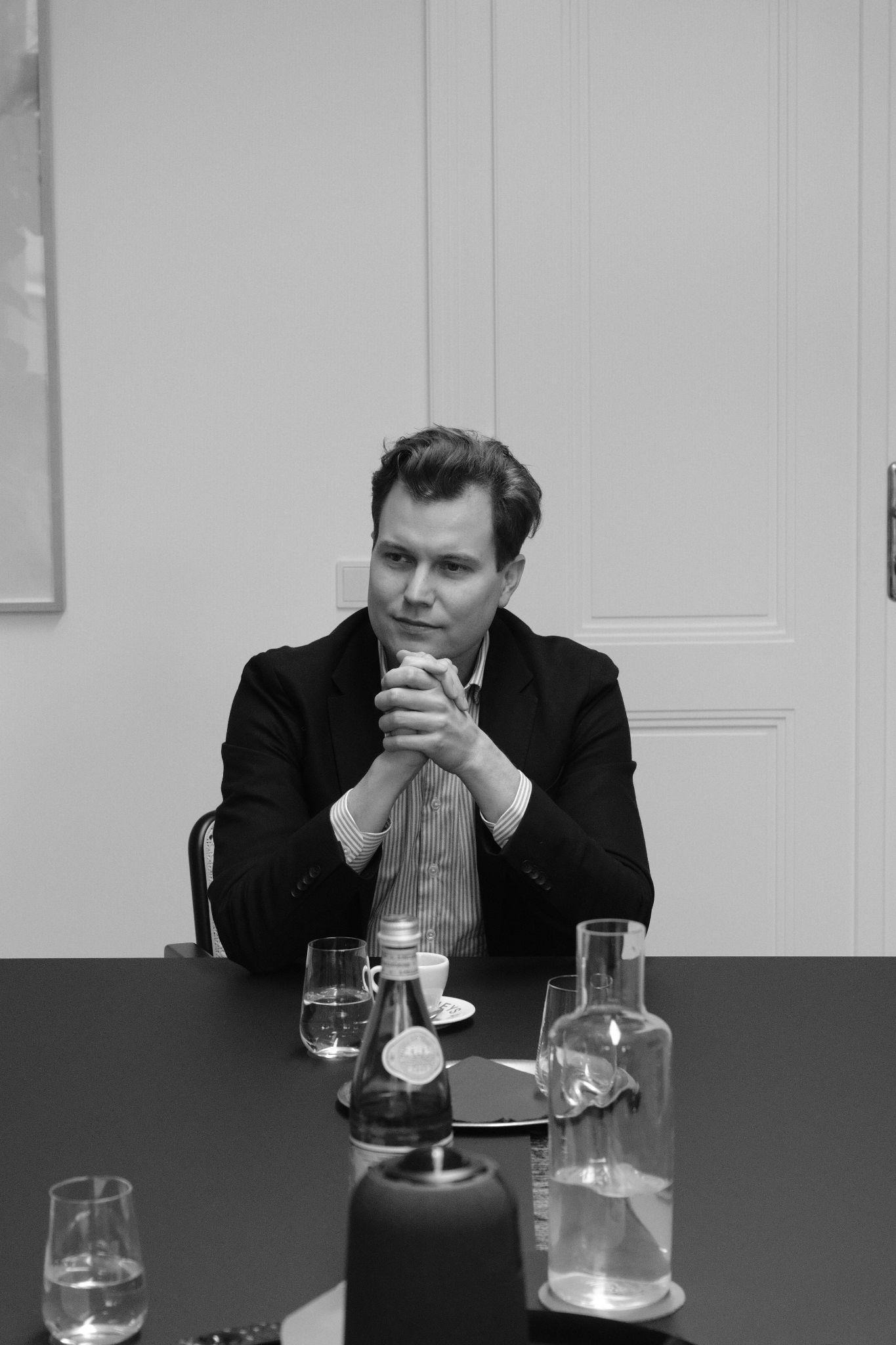
At ATTYS, this surfaces in a specific and honest way. A senior lawyer using casepal is checking the output against years of substantive knowledge. A first-year associate using the same tool may not yet have the grounding to know what to question — or what a different, better answer might look like.
"Only because we have this expertise, we can use it. Human judgment is still core."
— Christoph Ludvik, Partner at ATTYS
This is not a limitation of the technology. It is a reminder of what the technology actually is: an amplifier. The output reflects the judgment applied before the prompt is written and after the result comes back. That judgment belongs to the lawyer.
The team also observed something more specific about prompting. The early instinct — common across firms — is to assume that a few keywords are enough to get maximum output. In practice, knowing what you want, and being precise about it, is the skill that separates useful results from generic ones.
"You really have to know what you want in the end. It helps a lot with execution, but if you do not know what you're looking for, it's like moving through water."
— Patricia Stiller, Associate at ATTYS
What comes next
On the longer trajectory of AI in law, the ATTYS team is clear-eyed. The technology will reduce the volume of work that requires human hands — the repetitive, document-heavy tasks that currently absorb significant time and resource. It will not remove the need for lawyers.
If anything, it will sharpen the requirement for them. As AI-generated filings begin to reach courts and authorities in greater volume, someone with legal judgment will need to stand behind each one. The gatekeeping function — the ability to evaluate, verify, and take professional responsibility — is precisely what cannot be automated.
"Human judgment cannot be replaced in any scenario. It's only the paperwork that stays the same."
— Patricia Stiller, Associate at ATTYS
The firms that understand this early — that AI is most powerful in the hands of people who know their subject — are the ones building something durable. Not just faster processes, but a different and stronger way of practising law.
About ATTYS
ATTYS is an Austrian law firm specialising in employment, real estate, and corporate and commercial law. The firm advises clients across Austria and the DACH region, bringing deep local expertise and a practical, forward-looking approach to legal work.